
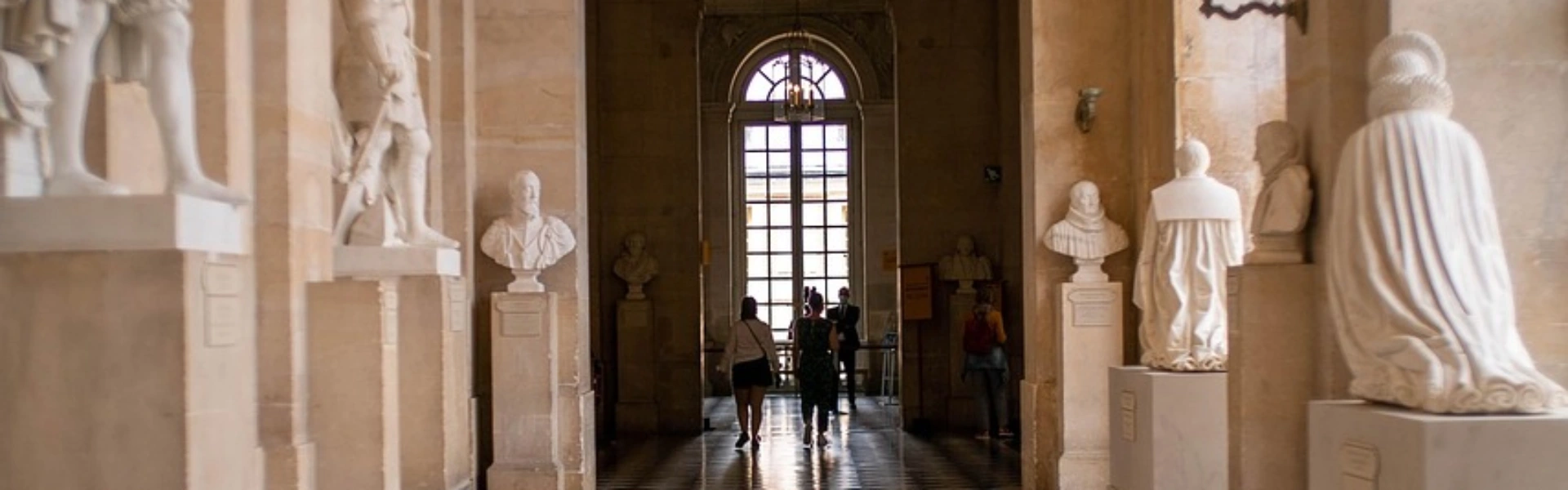
Museums in Padua: Hotel for an Art and Culture Stay
The museums of Padua tell more than two thousand years of history through archaeology, paintings, scientific collections, medicine and natural history. Staying at Hotel Giotto allows you to reach many of the city’s cultural attractions on foot, making it easy to organise each day without constantly using your car.
Rather than a single exhibition centre, Padua offers numerous museums spread across the Eremitani district, Palazzo Cavalli, Via San Francesco, the Cathedral area and the historic centre. Planning your itinerary by neighbourhood helps you enjoy every collection without rushing from one venue to another.
Which museums should you visit in Padua?
The choice of museums depends largely on your interests. Art lovers usually begin with Giotto’s frescoes and the Museum of Medieval and Modern Art. Archaeology enthusiasts can explore collections dedicated to the ancient Veneti, Roman Padua and Egypt, while visitors interested in science can choose the Museum of Nature and Humankind or MUSME.
- Medieval and Renaissance art: Scrovegni Chapel and the Museum of Medieval and Modern Art.
- Archaeology: Archaeological Museum.
- Decorative arts and coins: Palazzo Zuckermann.
- Natural sciences: Museum of Nature and Humankind.
- History of medicine: MUSME.
- Religious heritage: Diocesan Museum and Cathedral Baptistery.
- Modern history: Museum of the Risorgimento.
- Astronomy and physics: La Specola and the Giovanni Poleni Museum.
Some museums are open daily, while others close on Mondays or operate with seasonal timetables. The Scrovegni Chapel also requires advance booking with a reserved time slot, so checking official opening hours before your trip is highly recommended.
The Civic Museums at the Eremitani
The Civic Museums occupy the former monastery beside the Church of the Eremitani. The complex includes two major museums: the Archaeological Museum and the Museum of Medieval and Modern Art. The ticket office for the Scrovegni Chapel is located in the same area, directly opposite Palazzo Zuckermann.
This concentration of cultural attractions makes Piazza Eremitani the ideal place to explore several museums in a single day. Visitors can combine Giotto’s masterpieces, archaeology, paintings, decorative arts and numismatics without travelling across the city.
Opening times, admission fees and temporary closures should always be checked on the official page for Padua Civic Museums.
The Archaeological Museum
The Archaeological Museum is one of the museums that best explains the origins of Padua. Its collections cover the ancient Veneti, Roman civilisation and the city’s connections with the wider Mediterranean world.
Highlights include funerary artefacts, ceramics, bronze objects, mosaics and an Egyptian collection connected with the explorer Giovanni Battista Belzoni, making this institution particularly distinctive among Italian civic collections.
The Museum of Medieval and Modern Art
This museum preserves paintings, sculptures and works once housed in churches and historic buildings across Padua. Among the city’s museums, it is the best place to understand how local painting evolved after Giotto and how Venetian artistic traditions developed over the following centuries.
Allow at least one hour for your visit, especially if you also plan to explore the Archaeological Museum during the same day.
Scrovegni Chapel: the starting point
The Scrovegni Chapel is one of Padua’s best-known cultural landmarks and forms part of the Civic Museums system. Giotto’s frescoes, painted between 1303 and 1305, illustrate the lives of Joachim and Anne, the Virgin Mary and Christ, culminating in the magnificent Last Judgement.
Admission is by advance reservation only and follows a carefully managed procedure. Visitors first enter a climate-controlled chamber before accessing the chapel itself. Complete information is available in our guide to the hotel near the Scrovegni Chapel.
Palazzo Zuckermann
Located opposite the Eremitani complex, Palazzo Zuckermann houses two fascinating Museums: the Museum of Decorative Arts and the Bottacin Museum. The collections include furniture, jewellery, ceramics, silverware, textiles and one of Italy’s most important numismatic collections.
Museum of Nature and Humankind
The University of Padua’s Museum of Nature and Humankind is among Italy’s largest scientific Museums. Its collections cover geology, zoology, anthropology, palaeontology and biodiversity, offering an engaging journey through the history of our planet and humanity.
Opening days and admission times vary throughout the year and should always be checked on the official museum website.
MUSME
MUSME presents the history of medicine through interactive displays and multimedia installations. Unlike traditional Museums, it combines historical collections with hands-on experiences explaining anatomy, surgery and medical research developed in Padua.
Diocesan Museum and Cathedral Baptistery
The Diocesan Museum preserves works of religious art from churches across the region. Among Padua’s Museums, it offers one of the best introductions to the city’s ecclesiastical heritage and can easily be combined with a visit to the UNESCO-listed Cathedral Baptistery.
Planning your itinerary
If you have only one day available, concentrate on the Eremitani district, where several Museums are located within a short walking distance. With two or three days, you can comfortably add scientific, medical and religious collections while exploring different areas of the historic centre.
Reaching the museums from Hotel Giotto
Hotel Giotto is within walking distance of MUSME, the Diocesan Museum and Saint Anthony’s Basilica. The Eremitani Museums can be reached in around 25–30 minutes on foot through the historic centre or by using the tram to the Garibaldi–Eremitani stop. Directions to the hotel are available on our How to Reach Hotel Giotto page.
Why stay at Hotel Giotto?
Hotel Giotto offers an excellent location for visitors interested in Padua’s Museums, with comfortable rooms, free Wi-Fi, private parking (subject to availability) and easy access to the city’s UNESCO sites and historic attractions.
Book your stay
Choose Hotel Giotto for easy access to Padua’s leading Museums and cultural attractions. Book directly through the official website to check availability and organise your visit.
Frequently Asked Questions
Which museums should I visit first in Padua?
The Eremitani complex is the best starting point because it includes the Archaeological Museum, the Museum of Medieval and Modern Art and the nearby Scrovegni Chapel.
How many days do I need?
One day is enough for the Eremitani area, while two or three days allow you to explore the city’s main cultural attractions at a relaxed pace.
Do all museums require advance booking?
No. Only some attractions, such as the Scrovegni Chapel, require advance reservations.
Can I walk from Hotel Giotto?
Yes. Many museums are within walking distance, while others are easily reached by tram.
Does Hotel Giotto offer parking?
Yes. Private parking is available, subject to availability.