
What to Eat in Padua: Traditional Dishes to Try
Deciding what to eat in Padua means discovering a cuisine shaped by markets, the countryside and city traditions, with hearty pasta dishes, white meats, slow-cooked specialities, seasonal vegetables, historic desserts and the wines of the Euganean Hills. Hotel Giotto is located close to Saint Anthony’s Basilica, Prato della Valle and the hospital district, providing a convenient base for reaching the city’s squares, Sotto il Salone, traditional osterias and historic cafés on foot without turning every meal into a complicated journey.
The Flavours of Padua Begin in the Historic Squares
To understand what to eat in Padua, start with the historic squares surrounding Palazzo della Ragione. Piazza delle Erbe, Piazza della Frutta and the nearby streets are still home to daily market life, with stalls selling vegetables, bread, cheeses, cured meats and fresh local produce. According to the Municipality of Padua, Piazza delle Erbe hosts 52 market stalls, operating from Tuesday to Saturday, with extended opening hours during December.
Sotto il Salone, located beneath Palazzo della Ragione, is one of the city’s most fascinating places for anyone wanting to eat authentic local products without leaving the historic centre. The food shops offer delicatessen specialities, cured meats, cheeses, fresh pasta and regional wines. It is not simply a tourist attraction but a vibrant covered market where Padua’s commercial traditions continue inside a medieval building.
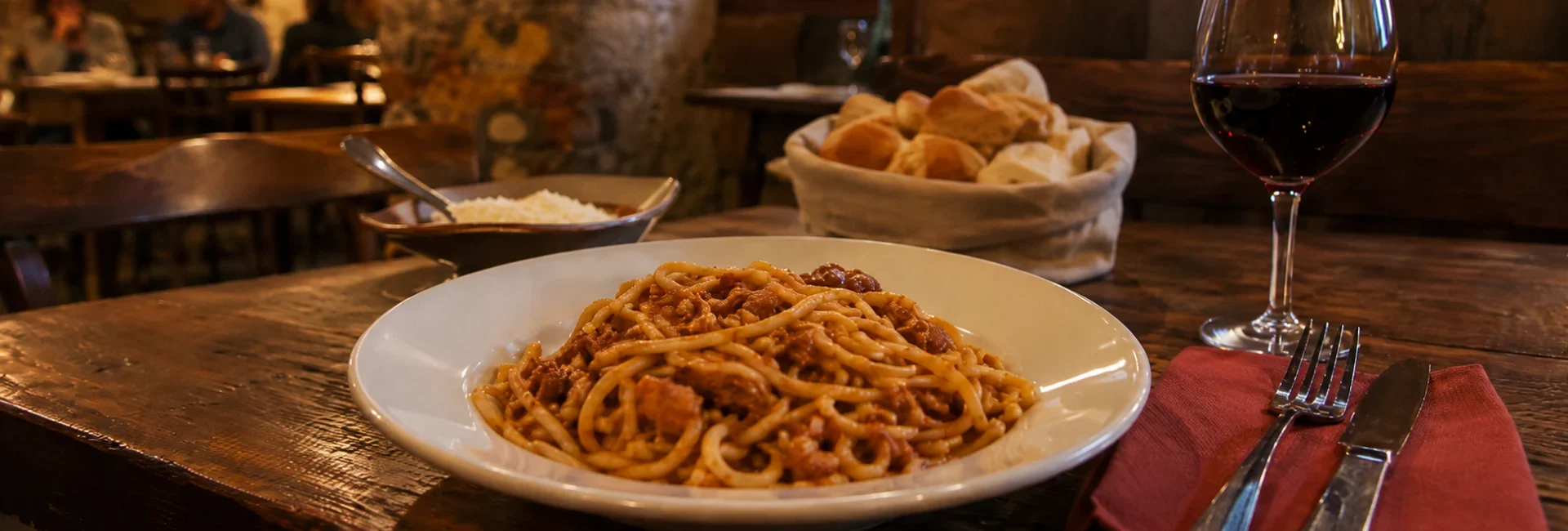
Bigoli: The Pasta You Should Try
One of the first answers to the question of what to eat in Padua is bigoli. This thick, rough-textured pasta is ideal for rich sauces. Throughout the Veneto region it is commonly served with duck ragù, meat sauces, sardines or other traditional recipes inspired by home cooking.
When ordering bigoli, choose restaurants that pay close attention to both the quality of the pasta and its sauce. The best versions are perfectly balanced rather than excessively heavy. Traditional trattorias specialising in seasonal cuisine usually provide the most authentic experience.
Padua Hen and Traditional White Meats
Padua hen is one of the city’s best-known culinary symbols. This historic breed, recognised by its distinctive crest, is closely linked to rural cooking traditions and local gastronomy. It is not always available, so it is worth asking restaurants whether it appears on the menu before visiting.
Anyone wondering what to eat in Padua should also look for dishes featuring Padua hen served in broth, stuffed preparations or traditional recipes that celebrate the region’s culinary heritage. Other white meats, seasonal vegetables and polenta also reflect the close relationship between the city and its surrounding countryside.
Boiled Meats, Traditional Sauces and Hearty Cuisine
Padua’s cuisine is deeply rooted in simple, satisfying cooking. Boiled meats, slow-cooked dishes, traditional sauces, seasonal vegetables and polenta all form part of a culinary tradition that values quality ingredients and careful preparation. Visitors who want to eat like locals should look for classic Venetian trattorias serving recognisable regional recipes.
When prepared properly, boiled meat is all about balance: tender cuts, clear broth, flavourful sauces and side dishes that complement rather than overpower the main ingredients. It is a meal best enjoyed slowly, offering insight into Padua’s traditional home cooking.
Risottos and Seasonal Vegetables
Padua and its surrounding countryside are ideal places to enjoy risotto. Depending on the season, local restaurants prepare versions with herbs, radicchio, pumpkin, asparagus, mushrooms, peas and many other fresh ingredients from nearby farms and the Euganean Hills.
Travellers looking to eat lighter meals can choose seasonal risottos, vegetable dishes and recipes featuring fresh herbs or produce from the local markets. Restaurants that adapt their menus throughout the year often provide a more authentic dining experience than those offering the same dishes in every season.
Shredded Horse Meat, Cured Meats and Local Delicacies
Shredded horse meat is one of the Veneto region’s traditional specialities and is often served in appetisers, salads or light dishes. Padua’s food shops also offer excellent cured meats, cheeses, fresh bread, preserved vegetables and regional products that allow visitors to eat authentic local flavours even during a quick lunch.
If you prefer to eat something simple without sacrificing quality, Sotto il Salone is an excellent choice. A carefully prepared sandwich, a cheese and cured meat board or a small tasting selection offers an authentic introduction to Padua’s culinary traditions.
Salt Cod and Venetian Influence
Salt cod has long been part of Venetian cuisine and also appears in many traditional dishes served in Padua. It may be prepared as whipped salt cod, served with polenta or presented in recipes inspired by regional traditions. It reflects the historical connection between inland Veneto and the Venetian Republic.
Visitors wanting to eat traditional fish dishes should look for recipes rooted in Venetian culinary history rather than generic seafood menus. Salt cod remains one of the region’s most characteristic specialities.
Traditional Desserts: Pazientina and Dolce del Santo
Among the desserts worth discovering are Pazientina cake and Dolce del Santo. Pazientina is a rich layered cake closely associated with Padua’s pastry tradition, while Dolce del Santo celebrates Saint Anthony and is commonly found in bakeries near the Basilica.
A pleasant afternoon break is the perfect opportunity to eat one of these traditional desserts after visiting Saint Anthony’s Basilica. They also make excellent gifts to take home thanks to travel-friendly packaging available in many local pastry shops.
Spritz, Coffee and the Aperitivo Tradition
Before sitting down to eat, many people in Padua enjoy the city’s lively aperitivo tradition. Spritz is served throughout the historic squares and is often accompanied by small snacks shared with friends before dinner.
Caffè Pedrocchi is another essential stop. More than simply a café, it is one of Padua’s most famous landmarks, combining architecture, history and local culture in a single experience.
The Wines of the Euganean Hills
To eat well in Padua also means choosing the right wine pairings. The Euganean Hills Wine Route introduces visitors to local wineries, olive oil producers and regional products, including the celebrated Fior d’Arancio DOCG made from Yellow Muscat grapes.
Many visitors combine dining in Padua with a second day exploring the Euganean Hills, where wineries, villages and traditional restaurants create a memorable extension to any culinary itinerary.
Choosing the Right Restaurant
When deciding where to eat in Padua, pay attention to the menu rather than promotional claims. Restaurants offering a concise selection of seasonal local dishes usually provide a more authentic experience than those with very extensive menus.
From Hotel Giotto, many of the city’s dining districts are within walking distance. After dinner, guests can comfortably return to the hotel on foot without worrying about driving.
A One-Day Culinary Itinerary
A well-planned day begins at Prato della Valle and Saint Anthony’s Basilica before continuing through the historic market squares and Sotto il Salone. Lunch can be enjoyed in a traditional delicatessen or informal restaurant, while dinner is best reserved for an authentic Padua trattoria.
Rather than trying to eat large meals throughout the day, many travellers prefer several smaller tasting stops, combining coffee, local cheeses, bigoli, traditional desserts and regional wines.
Getting Around from Hotel Giotto
Most of Padua’s historic centre can be explored on foot from Hotel Giotto. For visits to the Euganean Hills, travelling by car offers greater flexibility, particularly for winery tours and countryside restaurants.
For practical information on travelling by car, train or public transport, visit our How to Reach Hotel Giotto page.
Useful Services at Hotel Giotto
- 24-hour reception.
- Free Wi-Fi.
- Breakfast before sightseeing.
- Paid private parking (subject to availability).
- Electric vehicle charging facilities.
- Central location near Saint Anthony’s Basilica and Prato della Valle.
These services are ideal for visitors planning to eat their way through Padua while exploring the city comfortably on foot and enjoying day trips to the surrounding countryside.
Book Directly with Hotel Giotto
When booking directly, let us know your arrival time, parking requirements and dining plans. We’ll help you organise a comfortable stay while discovering Padua’s culinary traditions.
Frequently Asked Questions
What should I eat in Padua?
Popular local dishes include bigoli, Padua hen, boiled meats, risottos, salt cod, Pazientina cake and wines from the Euganean Hills.
Where can I find traditional food in Padua?
Historic markets, Sotto il Salone and traditional osterias in the city centre are excellent places to discover local cuisine.
Is Hotel Giotto close to Padua’s restaurants?
Yes. Hotel Giotto is within walking distance of many traditional restaurants, cafés and food markets in the historic centre.
Should I visit the Euganean Hills for local wine?
Yes. The Euganean Hills are famous for wineries, Fior d’Arancio DOCG and excellent regional food products.
Does Hotel Giotto provide private parking?
Yes. Paid private parking is available close to the hotel, subject to availability, together with electric vehicle charging facilities.
You may also be interested in: